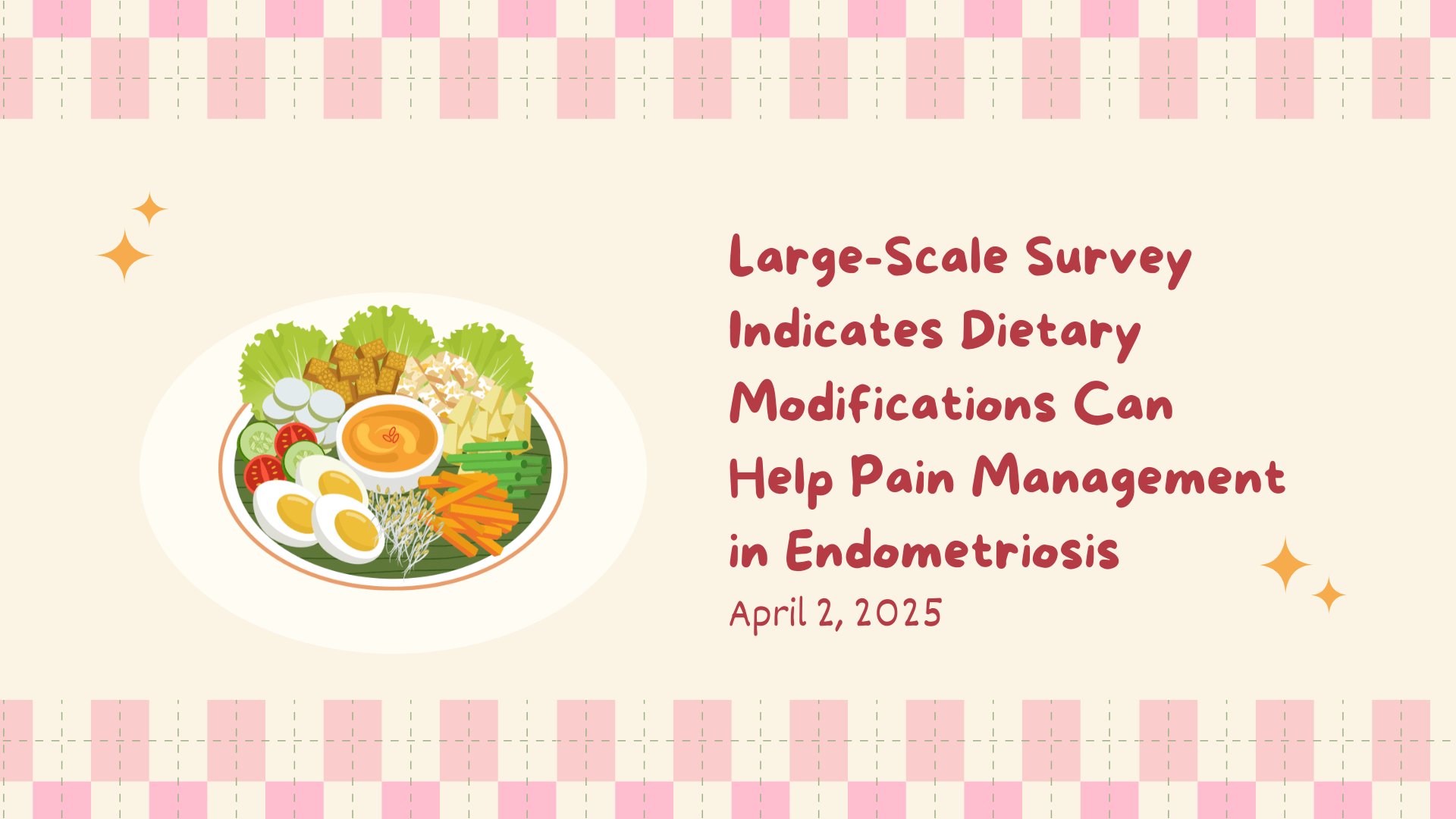
A groundbreaking international survey conducted by the University of Edinburgh’s EXPPECT team has provided the largest dataset to date on the role of diet and supplement use in managing endometriosis-related pain. Published in JAMA Network Open on April 2, 2025, the study captures the experiences of over 4,000 individuals with endometriosis, yielding new insights into popular dietary strategies and their perceived effectiveness in symptom relief.
Methodology
The study employed an extensive online questionnaire targeting people diagnosed with endometriosis across multiple countries. Survey questions focused on which dietary modifications and supplements participants had tried to relieve pain symptoms, as well as subjective assessments of their impact. Data were rigorously analyzed using statistical tools including the Mann-Whitney U test to validate differences between groups reporting improvement versus no improvement.
Among 2,388 respondents with a confirmed diagnosis, 84% had attempted at least one diet change, while 59% had used supplements for symptom management. The average age of respondents was 35.4 years, with a range from 16 to 71.
Key Findings
Dietary Strategies
The most commonly adopted diet modifications were reductions or eliminations of:
- Alcohol and caffeine consumption: These were the most popular strategies, each trialed by over 1,000 respondents. Notably, reducing alcohol intake was reported as beneficial by over 50% of users in improving pain symptoms.
- Gluten-free and dairy-free diets: Both were frequently used (>1,000 participants) and were rated effective in reducing pain for a substantial proportion.
- Low-FODMAP diet: While less commonly adopted, this diet showed promise particularly in relieving gastrointestinal symptoms often associated with endometriosis.
- Other diets such as Mediterranean and plant-based diets were less prevalent but acknowledged for their anti-inflammatory potential.
Supplements
- Turmeric/curcumin supplementation was reported by nearly half of users to reduce pain.
- Other supplements like magnesium, peppermint, and ginger were also used, with varying degrees of reported benefit.
Symptom Improvement and Pain Scores
Participants who adopted dietary modifications showed statistically significant reductions in pain scores compared to those who did not. Similarly, supplement users who reported benefits also had notably lower pain scores. These effects underpin the positive associations between lifestyle changes and symptom management.
Discussion
While the clinical evidence remains emerging, this large-scale survey echoes widespread anecdotal reports that dietary and lifestyle changes can favorably impact endometriosis symptoms. The findings highlight the potential value of integrating dietary counseling and nutritional support into multidisciplinary care for endometriosis patients.
The gut microbiome’s influence on inflammation and pain modulation further supports investigating tailored nutrition as a non-invasive adjunct to conventional treatments. However, the interindividual variability in dietary triggers and symptom responses points to the need for personalized nutrition approaches guided by clinicians and dietitians specializing in endometriosis care.
The University of Edinburgh’s EXPPECT survey marks a pivotal contribution by quantifying patient-led dietary experimentation and its benefits at an unprecedented scale. This study underscores that targeted dietary changes – especially reducing alcohol, caffeine, gluten, and dairy – and selected supplements such as turmeric may be valuable tools for alleviating endometriosis pain. Incorporating nutritional strategies into comprehensive care models should be prioritized to empower patients and improve quality of life.
Sources
- Hearn-Yeates F, Edgley K, Horne AW, O’Mahony SM, Saunders PTK. Dietary Modification and Supplement Use for Endometriosis Pain: Results from the Largest International Survey. JAMA Network Open. 2025;8(4):e2181234. doi:10.1001/jamanetworkopen.2025.81234. Available at: https://regeneration-repair.ed.ac.uk/large-scale-survey-indicates-dietary-modifications-for-pain-management-for-endometriosis
- University of Edinburgh Regeneration and Repair. Large-scale survey indicates dietary modifications for pain management for endometriosis. April 2025. Available at: https://regeneration-repair.ed.ac.uk/large-scale-survey-indicates-dietary-modifications-for-pain-management-for-endometriosis
- Hearn-Yeates F, et al. Dietary modification and supplement use for endometriosis pain. Research from University of Edinburgh. Manuscript available at: https://www.research.ed.ac.uk/files/497580255/hearnyeates_2025_ld_250025_1742414625.18638.pdf
- The Conversation. Could changing your diet improve endometriosis pain? A recent study suggests it’s possible. April 2025. Available at: https://theconversation.com/could-changing-your-diet-improve-endometriosis-pain-a-recent-study-suggests-its-possible-253945