
I’ll never forget sitting on the bathroom floor at 3 AM, tears streaming down my face, wondering if what I was experiencing was normal. The pain, the blood, the complete unpredictability of my bowel movements. It wasn’t until my surgery, when I was officially diagnosed with stage 3 endometriosis, that everything finally made sense.
If you’re reading this, you might be experiencing similar struggles. Maybe you’ve noticed changes in your bathroom habits that coincide with your menstrual cycle, or perhaps you’re dealing with symptoms that doctors have dismissed as “just IBS.”
I want to share what I’ve learned about bowel endometriosis poop because understanding this connection might just change your life the way it changed mine.
What Is Bowel Endometriosis?
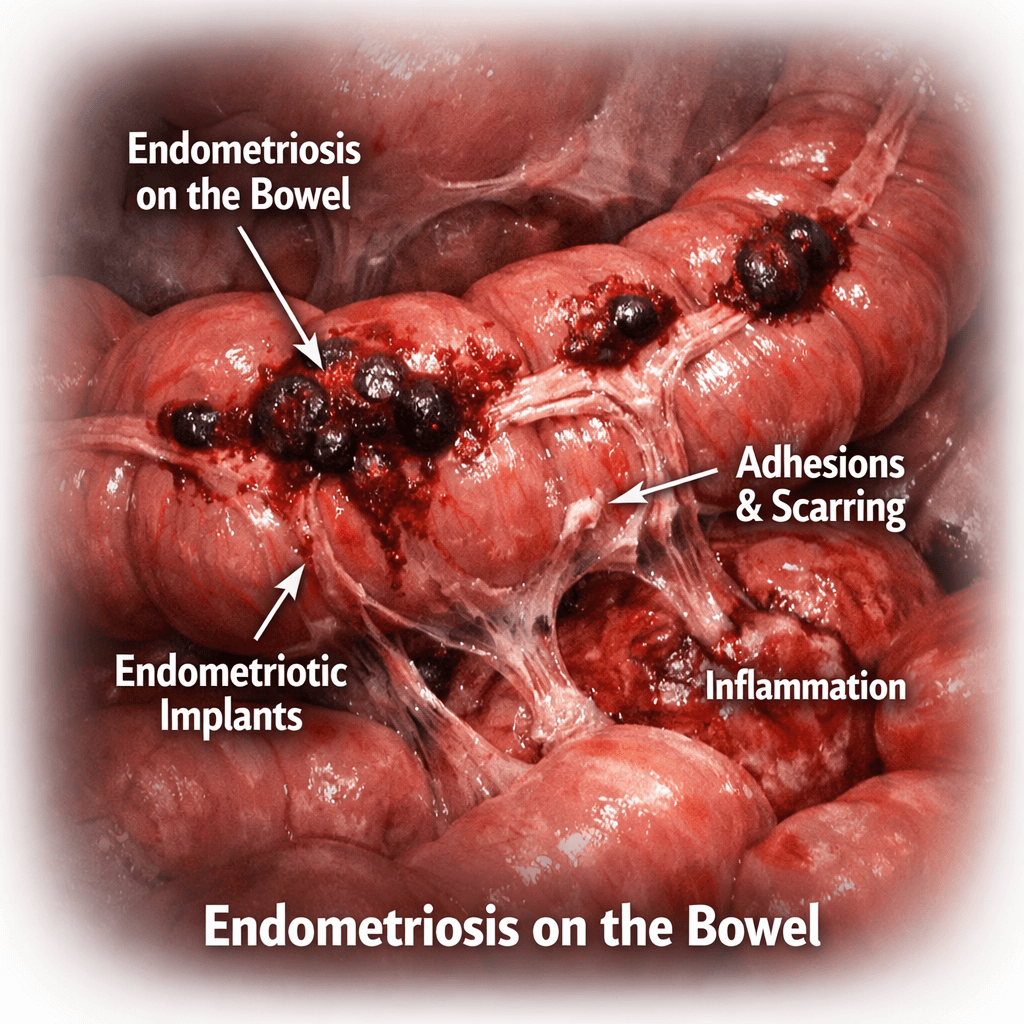
Bowel endometriosis occurs when endometrial-like tissue grows on or inside your intestines, most commonly affecting the rectum and sigmoid colon.
Before my diagnosis, I had no idea that endometriosis could extend beyond my reproductive organs. When my surgeon showed me the images from my laparoscopy, I finally understood why my digestive symptoms had been so debilitating.
The endometriosis on the bowels doesn’t just sit there passively. It responds to your hormonal fluctuations throughout your cycle, causing inflammation, bleeding, and pain. This is why understanding bowel endometriosis symptoms became crucial in my journey to diagnosis.
The Bowel Endometriosis Symptoms
Looking back, the signs were there for years, but I dismissed them as separate issues. Here’s what bowel endometriosis symptoms actually look like, based on both my personal experience and what I’ve learned:
Cyclical Digestive Changes when Dealing with Bowel Endometriosis Pooping
- Severe cramping during bowel movements, especially during your period
- Alternating constipation and diarrhea that worsens with menstruation
- Feeling like you need to go but being unable to fully empty your bowels
- Endometriosis bowel pain that radiates to your lower back or legs
Visible Changes
- Blood in stool during menstruation (not from hemorrhoids)
- Endometriosis bowel mucus that appears stringy or excessive
- Dark, tar-like stools during your cycle
Persistent Issues
- Painful bowel movements that make you dread going to the bathroom
- Endometriosis bowel spasm that feels like your intestines are clenching
- Nausea and bloating that seems disproportionate to what you’ve eaten
I experienced nearly all of these symptoms for years before my diagnosis. The endometriosis and bowel issues became so intertwined that I couldn’t tell where one ended and the other began.
The Reality of Endo Bowel Symptoms
Let me be honest about what living with endo bowel symptoms actually means on a daily basis. There were mornings when I’d wake up two hours early, knowing I’d need that extra time just to manage my bathroom situation before work. The unpredictability was almost worse than the pain itself.
The symptoms of bowel endometriosis aren’t always dramatic. Sometimes it’s just a persistent discomfort, a feeling that something isn’t right. Other times, it’s debilitating pain that leaves you curled up on the bathroom floor. For me, the symptoms would intensify about three days before my period and continue through the heaviest days of bleeding.
What made it particularly challenging was that these symptoms overlapped with so many other conditions. Multiple doctors told me I had IBS, and while endometriosis and bowel movements are indeed connected, it took years to get the right diagnosis.
How to Diagnose Bowel Endometriosis
This is where my journey became frustrating. Getting a proper bowel endometriosis diagnosis isn’t straightforward, and I want you to know what to expect so you can advocate for yourself more effectively than I initially did.
The Diagnostic Journey
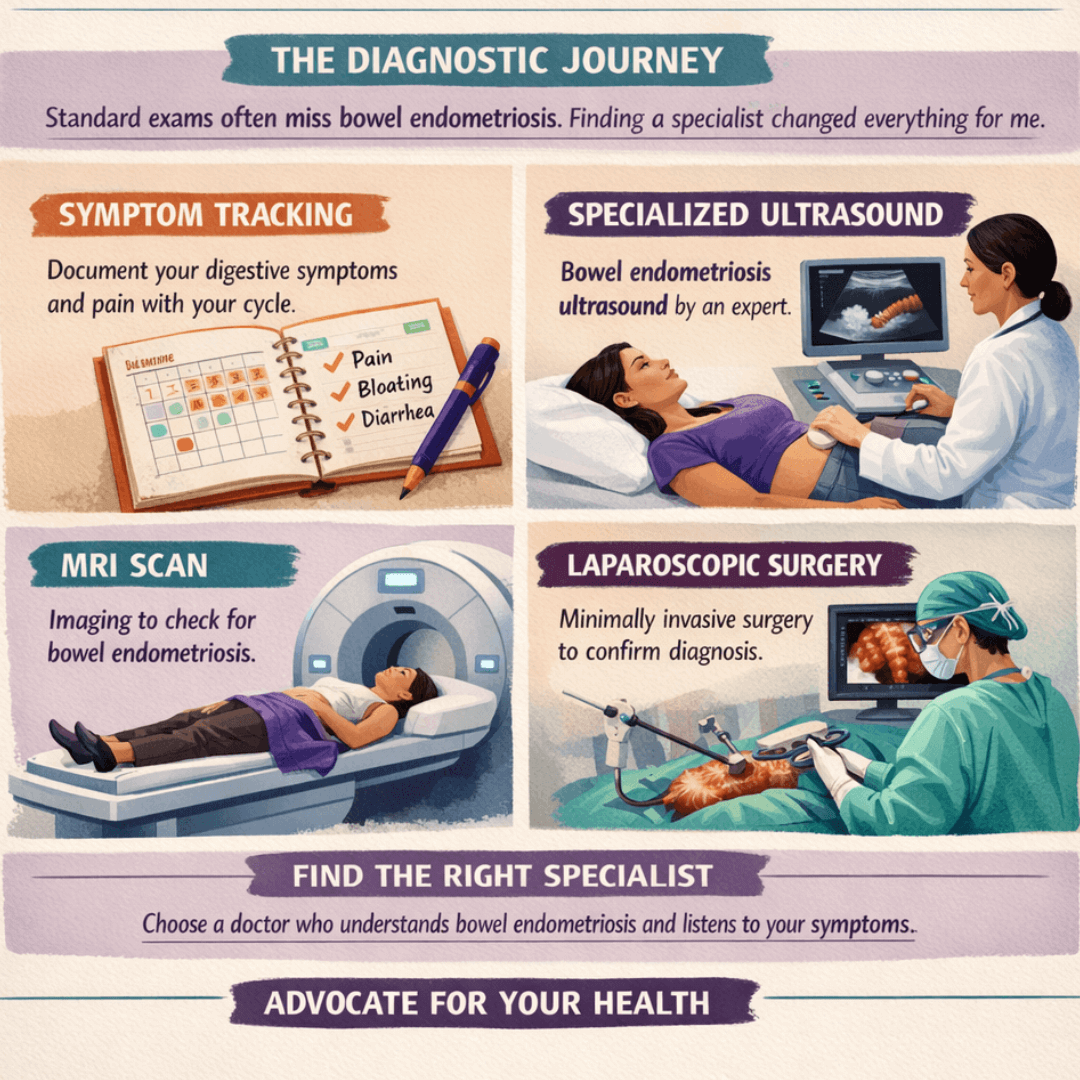
Standard pelvic exams and even basic ultrasounds often miss endometriosis in the bowel. When I asked my first gynecologist how to diagnose bowel endometriosis, she dismissed my concerns entirely. It wasn’t until I found a specialist experienced with deep infiltrating endometriosis that things changed.
So, how is bowel endometriosis diagnosed properly? Here’s what actually helped in my case:
- Detailed symptom tracking: I documented every digestive symptom, pain episode, and bowel movement for three months, noting patterns with my cycle
- Specialized imaging: A bowel endometriosis ultrasound performed by an experienced sonographer revealed suspicious areas
- MRI evaluation: This can show the extent of endometriosis on the bowel more clearly (but in my case, they saw nothing on the MRI)
- Laparoscopic surgery: Ultimately, this was the only way to confirm my diagnosis and assess the severity
Some centers use bowel endometriosis ct scan as part of their diagnostic protocol, though this wasn’t part of my journey. The key is finding healthcare providers who take your symptoms seriously and understand that endometriosis in the bowel is more common than many realize.
Can Endometriosis Cause Bowel Problems? (Spoiler: Absolutely)
Before my diagnosis, I constantly questioned “can endometriosis cause bowel issues?” or if I was dealing with multiple separate conditions. The answer is a resounding yes – endometriosis can absolutely cause significant bowel problems.
When endometrial-like tissue grows on or penetrates the bowel wall, it creates several issues:
- Inflammation that affects normal intestinal function
- Endometriosis adhesions on bowel that can pull organs out of their normal position
- Potential for endometriosis bowel obstruction in severe cases (though this is relatively rare)
- Endometriosis and bowel adhesions that cause organs to stick together
Understanding, and knowing the answer to the question “Does endometriosis cause bowel problems?” helped me stop blaming myself for symptoms I couldn’t control.
Living with Endometriosis in Bowel
Managing endometriosis symptoms has become part of my routine, and I’ve learned some strategies that help:
Dietary Adjustments
I’ve found that certain foods trigger worse symptoms, particularly during my luteal phase. While everyone’s triggers differ, keeping a food diary helped me identify my specific problem foods.
Symptom Management
- Heat therapy for endometriosis bowel pain (I keep a heating pad on me basically 24/7)
- Trying to participate in activities whenever I feel “well enough” to participate
- Communicating openly with my partner and friends about what I’m experiencing
Medical Support
Working with both a gynecologist and gastroenterologist has been crucial, even though it requires a lot of money. The endometriosis and bowel pain requires a multidisciplinary approach.
Treatment Options
After my diagnosis, I learned about various treatment approaches for endometriosis on the bowel. These range from conservative management to surgical intervention:
Surgical Options
Some women require bowel resection endometriosis surgery, where affected bowel segments are removed. Bowel surgery for endometriosis is typically reserved for cases where the disease has deeply infiltrated the intestinal wall.
Medical Management
Hormonal treatments can help manage symptoms for some women, though they don’t eliminate endometriosis that’s already present. The goal is often to prevent progression and reduce inflammation.
What About Endometriosis Bowel Blockage?
This is a serious complication that worried me before my surgery. Endometriosis bowel blockage occurs when the disease causes significant narrowing of the intestine, and endometriosis and bowel obstruction can require emergency intervention.
During my pre-surgery consultation, my doctor explained the signs and symptoms of endometriosis on the bowel that would indicate obstruction: severe abdominal distension, inability to pass gas or stool, and escalating pain.
The Emotional Impact of Endometriosis Bowels
Beyond the physical symptoms, living with endometriosis bowels takes an emotional toll. The embarrassment, the isolation, the fear of having accidents, these aren’t talked about enough in our community. I’ve canceled social events, left work early, and spent countless hours researching endometriosis and bowel movements, desperately seeking answers.
Knowing that endometriosis and bowel problems affect so many of us helps, but it doesn’t erase the daily challenges. That’s why connecting with others who understand is so vital.
Real Stories: Bowel Endometriosis Stories from Our Community
You’re not alone in this journey. Here are some powerful bowel endometriosis stories from women in our community:
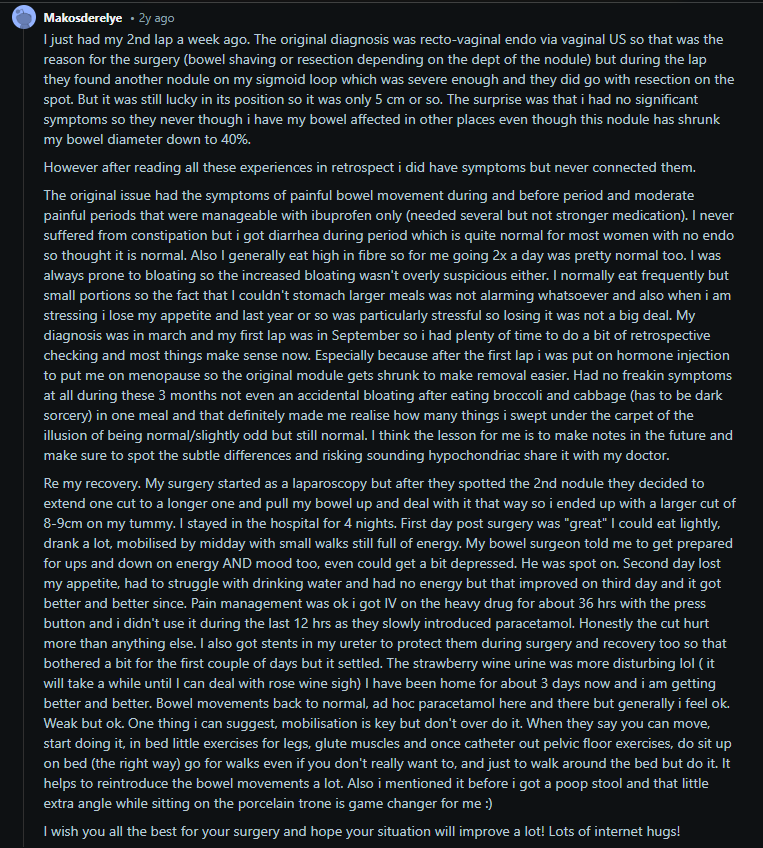
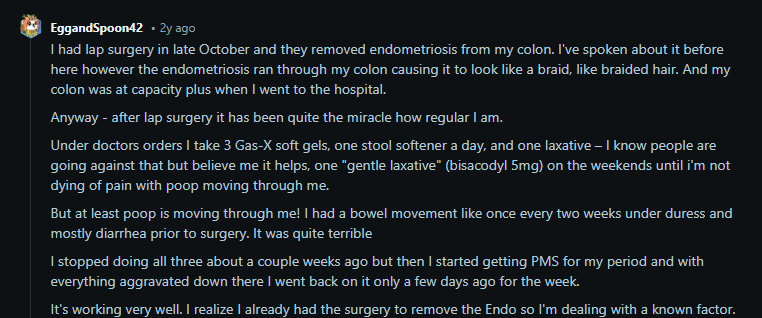
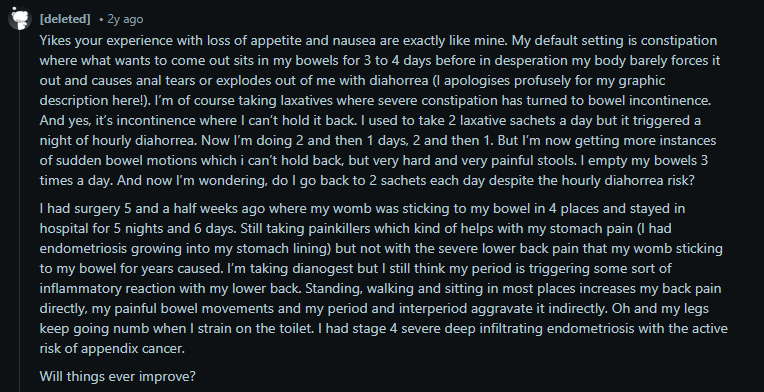
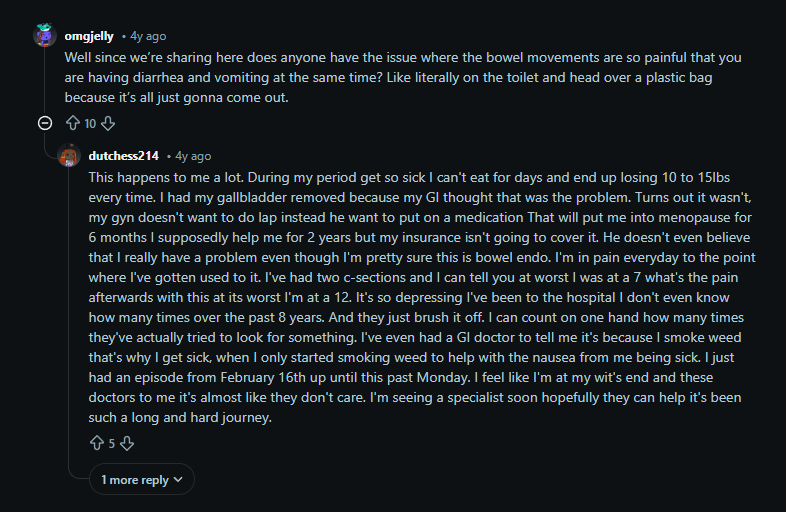
These stories remind me that while our experiences vary, the core struggle is shared. Whether you’re dealing with endometriosis painful bowel movements, endometriosis bowel adhesions, or the full spectrum of symptoms, your experience is valid.
Advocating for Yourself
If I could go back and talk to my pre-diagnosis self, here’s what I’d say:
Trust your body. If something feels wrong, it probably is. Don’t let anyone dismiss your symptoms as “normal period problems” or “just stress.”
Find the right specialists. Not all gynecologists are trained in recognizing signs of endometriosis in bowel, or any type of endometriosis, and understanding the full scope of this disease. Seek out endometriosis specialists or centers of excellence.
Document everything. Keep detailed records of your endometriosis bowel symptoms, including timing, severity, and any patterns you notice. This information is invaluable during medical appointments.
Connect with others. Whether through online communities like Endometriosis Sisters or local support groups, finding your tribe makes this journey more bearable.